

How do you fix a kinked fire hose?
Aug 26, 2025
As a fire hose supplier, I've encountered numerous issues related to fire hoses over the years. One of the most common problems that firefighters, building maintenance crews, and even homeowners face is a kinked fire hose. A kink in a fire hose can significantly reduce water flow, which is crucial during firefighting operations. In this blog post, I'll share some effective ways to fix a kinked fire hose and offer some insights into preventing kinks in the first place.
Understanding the Problem
Before we dive into the solutions, it's important to understand why fire hoses kink. Fire hoses are flexible tubes designed to carry large volumes of water under high pressure. However, when they are bent sharply or twisted, the internal structure of the hose can collapse, creating a kink. This kink restricts the flow of water, making it difficult to extinguish fires effectively.
There are several factors that can contribute to kinking, including improper storage, rough handling, and using the wrong type of hose for the job. For example, if a fire hose is stored in a tight coil for an extended period, it can develop memory kinks that are difficult to remove. Similarly, if a hose is dragged across rough surfaces or stepped on, it can become damaged and more prone to kinking.
Step-by-Step Guide to Fixing a Kinked Fire Hose
Now that we understand the problem, let's look at how to fix a kinked fire hose. The following steps can be used to straighten out most kinks:

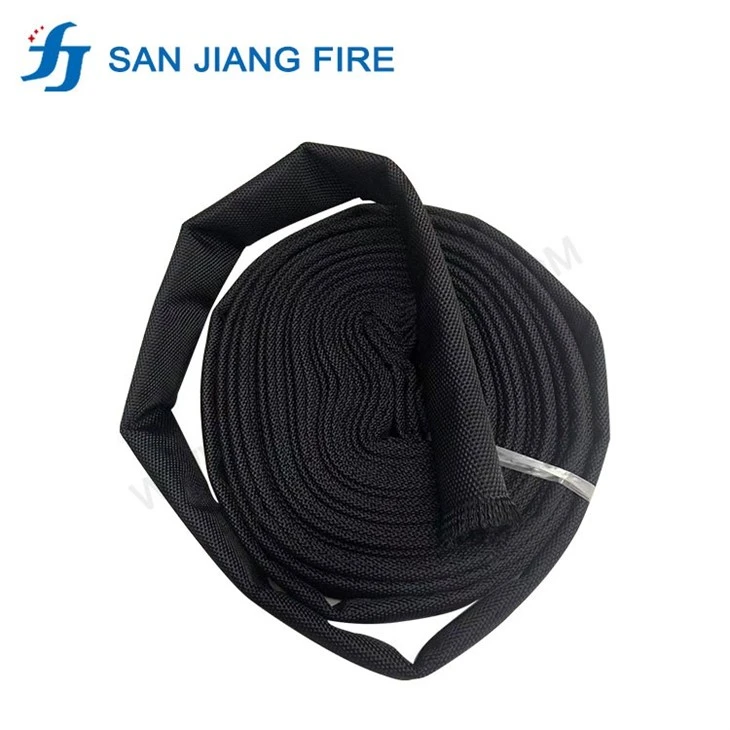
Step 1: Identify the Kink
The first step is to locate the kink in the hose. This may seem obvious, but sometimes kinks can be hidden or difficult to spot, especially in long hoses. Look for areas where the hose is bent sharply or where the water flow seems restricted. You may also be able to feel the kink by running your hand along the hose.
Step 2: Loosen the Kink
Once you've identified the kink, try to loosen it by gently pulling on the hose on either side of the kink. Be careful not to pull too hard, as this could damage the hose. If the kink is stubborn, you can try using a hose straightener or a similar tool to help loosen it.
Step 3: Apply Heat
If the kink is still not coming out, you can try applying heat to the hose. This can help to soften the material and make it more flexible. You can use a heat gun or a hair dryer to apply heat to the kink, but be careful not to overheat the hose, as this could cause it to melt or become damaged. Move the heat source back and forth over the kink, applying heat evenly for a few minutes.
Step 4: Straighten the Hose
After applying heat, try to straighten out the hose again. You may need to use your hands to gently guide the hose into a straight position. If the kink is still present, you can repeat the process of applying heat and straightening the hose until the kink is removed.
Step 5: Test the Hose
Once you've removed the kink, it's important to test the hose to make sure that the water flow is normal. Connect the hose to a water source and turn on the water. Check for any leaks or restrictions in the water flow. If the water flow is still not normal, you may need to repeat the process or seek professional help.
Preventing Kinks in Fire Hoses
While it's important to know how to fix a kinked fire hose, it's even better to prevent kinks from occurring in the first place. Here are some tips to help you keep your fire hoses in good condition and prevent kinking:
Proper Storage
One of the most important things you can do to prevent kinking is to store your fire hoses properly. When not in use, fire hoses should be stored in a cool, dry place away from direct sunlight and heat sources. They should also be stored in a way that allows them to remain straight and free from kinks. For example, you can use a hose reel or a hose hanger to keep the hose organized and prevent it from getting tangled.
Gentle Handling
Another way to prevent kinking is to handle your fire hoses gently. Avoid dragging the hose across rough surfaces or stepping on it. When moving the hose, lift it carefully and avoid bending it sharply. If you need to bend the hose, make sure to do so gradually and avoid creating sharp angles.
Choose the Right Hose
Finally, it's important to choose the right type of fire hose for the job. Different types of hoses are designed for different applications, and using the wrong type of hose can increase the risk of kinking. For example, if you need to use a hose in a tight space, you may want to choose a more flexible hose that is less likely to kink. You can find a variety of fire hoses, including Black Fire Hose, Colored Hoses, and Fire Hydrant Hose on our website.
Conclusion
A kinked fire hose can be a serious problem, but with the right knowledge and tools, it can be fixed. By following the steps outlined in this blog post, you can straighten out most kinks and get your fire hose back in working order. Remember to also take steps to prevent kinking in the first place by storing your hoses properly, handling them gently, and choosing the right type of hose for the job.
If you have any questions about fire hoses or need help choosing the right hose for your needs, please don't hesitate to contact us. We're here to help you find the best fire hose solutions for your specific requirements. Whether you're a professional firefighter, a building maintenance crew, or a homeowner, we have the expertise and products to meet your needs.
References
- Fire Hose Maintenance Guide, National Fire Protection Association
- Handbook of Fire Protection Engineering, Society of Fire Protection Engineers