

How to protect a 3 inch hose from damage?
Dec 31, 2099
Hey there! As a 3-inch hose supplier, I've seen firsthand how vital these hoses are in various industries, from firefighting to industrial applications. A 3-inch hose is a workhorse, but it's not invincible. So, let's chat about how to protect it from damage and keep it performing at its best.
Understanding the Vulnerabilities
First off, we need to know what can harm our 3-inch hoses. There are several common culprits. Abrasion is a big one. When the hose rubs against rough surfaces like concrete, gravel, or sharp edges, it can wear down the outer layer. This not only makes the hose look bad but can also lead to leaks or even bursts over time.
Another issue is kinking. When a hose gets kinked, it restricts the flow of fluid or gas through it. This can cause pressure build-up, which may damage the hose internally. And if the kink is severe or left in place for too long, it can weaken the hose structure, making it more prone to failure.
Exposure to extreme weather conditions is also a concern. High temperatures can make the hose material brittle, while freezing temperatures can cause it to crack. UV radiation from the sun can also degrade the hose over time, breaking down the polymers in the material and reducing its strength.
Chemical exposure is yet another risk. Depending on what the hose is used for, it may come into contact with various chemicals. Some chemicals can react with the hose material, causing it to swell, soften, or become brittle. This can compromise the integrity of the hose and lead to leaks or other issues.

Choosing the Right Hose
One of the first steps in protecting your 3-inch hose is choosing the right one for the job. Different hoses are designed for different applications, and selecting the appropriate one can make a big difference in its lifespan.
For example, if you're in the firefighting industry, you might want to consider a Red Fire Hose. These hoses are specifically designed to withstand the rigors of firefighting, including high-pressure water flows and exposure to heat and flames. They're usually made from durable materials like rubber or synthetic polymers, which are resistant to abrasion and heat.
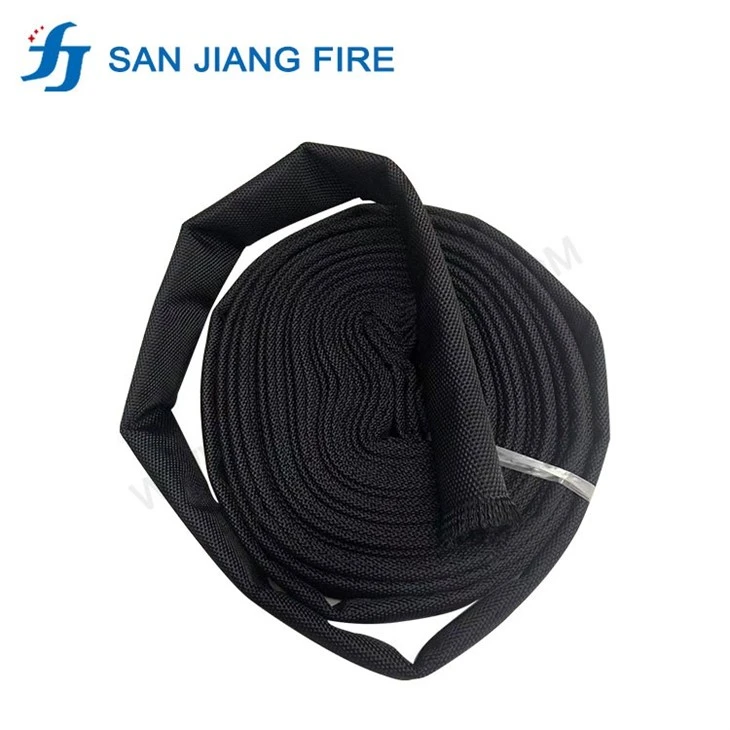
On the other hand, if you need a hose for a more general industrial application, a Black Fire Hose might be a good choice. These hoses are often used for transporting water, chemicals, or other fluids in industrial settings. They're typically made from high-quality materials that are resistant to abrasion, chemicals, and UV radiation.
If you're looking for something a little more unique, you might want to check out our Colored Hoses. These hoses come in a variety of colors, which can be useful for color-coding different applications or for aesthetic purposes. They're also made from high-quality materials that are designed to withstand the same types of challenges as other hoses.
Proper Installation and Storage
Once you've chosen the right hose, it's important to install and store it properly. Proper installation can prevent kinking and other damage that can occur during use. When installing a 3-inch hose, make sure to follow the manufacturer's instructions carefully. This may include using the correct fittings, keeping the hose straight, and avoiding sharp bends or kinks.
When it comes to storage, it's best to keep the hose in a cool, dry place away from direct sunlight and other sources of heat. If possible, store the hose on a reel or rack to keep it straight and prevent kinking. Avoid storing the hose in a tight bundle or coil, as this can cause kinks and weaken the hose over time.
Regular Inspections and Maintenance
Regular inspections and maintenance are essential for keeping your 3-inch hose in good condition. Inspect the hose regularly for signs of wear, tear, or damage. Look for cuts, abrasions, bulges, or leaks. If you notice any issues, address them immediately to prevent further damage.
In addition to visual inspections, you should also perform regular maintenance tasks on the hose. This may include cleaning the hose to remove dirt, debris, and chemicals. Use a mild soap and water solution to clean the hose, and avoid using harsh chemicals or abrasive cleaners that can damage the hose material.
You should also lubricate the hose fittings regularly to prevent corrosion and ensure a tight seal. Use a high-quality lubricant that is compatible with the hose material and the fluid or gas being transported.
Handling and Usage
Proper handling and usage are also important for protecting your 3-inch hose. When handling the hose, be careful not to drag it across rough surfaces or sharp edges. Use a hose cart or other equipment to move the hose when necessary.
When using the hose, make sure to operate it within its rated pressure and temperature limits. Avoid overpressurizing the hose, as this can cause it to burst or fail. If you need to use the hose at high pressures or temperatures, make sure to choose a hose that is specifically designed for these conditions.
Conclusion
Protecting a 3-inch hose from damage is essential for ensuring its long-term performance and reliability. By understanding the vulnerabilities, choosing the right hose, installing and storing it properly, performing regular inspections and maintenance, and handling and using it correctly, you can extend the lifespan of your hose and avoid costly repairs or replacements.
If you're in the market for a 3-inch hose or have any questions about protecting your existing hose, don't hesitate to reach out. We're here to help you find the right solution for your needs.
References
- Industry standards and guidelines for hose manufacturing and usage.
- Manufacturer's instructions and recommendations for specific hoses.