

Is a polyester hose safe for drinking water?
Nov 17, 2025
Is a polyester hose safe for drinking water?
As a supplier of polyester hoses, I often get asked about the safety of using polyester hoses for drinking water. It's a crucial question, as the safety of our customers is of utmost importance. In this blog post, I'll delve into the science behind polyester hoses and their suitability for carrying drinking water.
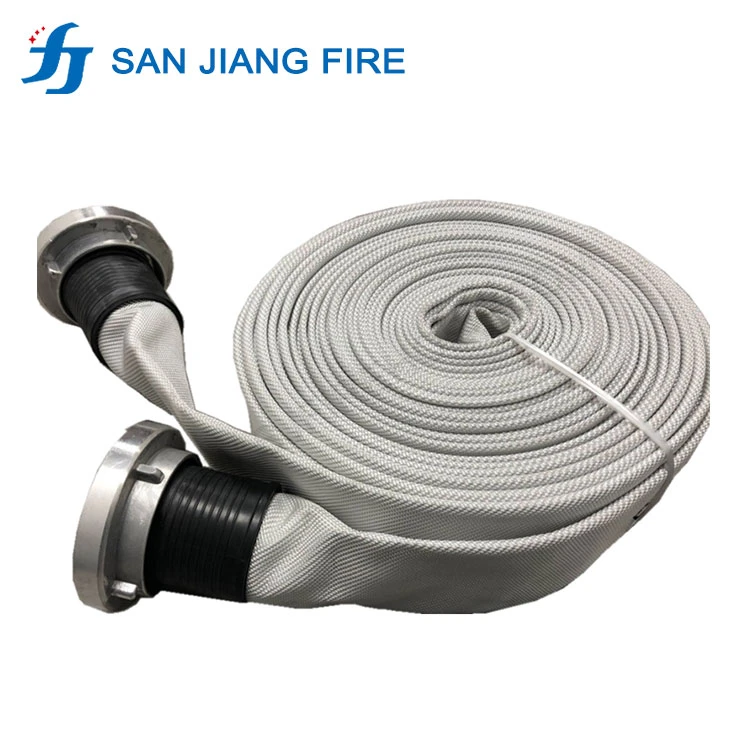

Understanding Polyester Hoses
Polyester hoses are widely used in various industries due to their durability, flexibility, and resistance to abrasion. They are made from polyester fibers, which are known for their strength and chemical resistance. These hoses are commonly used in applications such as firefighting, industrial water transfer, and agricultural irrigation.
The construction of a polyester hose typically involves a layer of polyester fabric that is reinforced with other materials, such as rubber or PVC. This reinforcement provides additional strength and flexibility to the hose, making it suitable for a wide range of applications.
Safety Considerations for Drinking Water
When it comes to using a hose for drinking water, there are several safety considerations that need to be taken into account. The primary concern is the potential for the hose to leach harmful chemicals into the water. These chemicals can include heavy metals, plasticizers, and other contaminants that can pose a risk to human health.
To ensure the safety of drinking water, hoses used for this purpose must meet certain standards and regulations. In the United States, the Environmental Protection Agency (EPA) has established guidelines for the use of hoses in contact with drinking water. These guidelines specify the types of materials that are safe to use and the maximum allowable levels of contaminants.
Polyester Hoses and Drinking Water Safety
Polyester itself is generally considered to be a safe material for use in contact with drinking water. It is a synthetic polymer that is resistant to chemical degradation and does not leach harmful substances into the water. However, the safety of a polyester hose for drinking water depends on several factors, including the type of reinforcement used, the manufacturing process, and the presence of any additives or coatings.
Reinforcement Materials
As mentioned earlier, polyester hoses are often reinforced with other materials, such as rubber or PVC. These reinforcement materials can have a significant impact on the safety of the hose for drinking water. For example, some types of rubber may contain plasticizers or other chemicals that can leach into the water. PVC, on the other hand, may contain lead or other heavy metals, which can be harmful if ingested.
When choosing a polyester hose for drinking water, it's important to ensure that the reinforcement material is safe for use in contact with water. Look for hoses that are labeled as "drinking water safe" or that meet the relevant standards and regulations.
Manufacturing Process
The manufacturing process can also affect the safety of a polyester hose for drinking water. During the manufacturing process, the hose may be exposed to various chemicals and additives, which can leave residues on the surface of the hose. These residues can potentially leach into the water and pose a risk to human health.
To minimize the risk of contamination, it's important to choose a polyester hose that is manufactured using a clean and controlled process. Look for hoses that are made in a facility that follows good manufacturing practices and that uses high-quality materials.
Additives and Coatings
Some polyester hoses may be treated with additives or coatings to improve their performance or appearance. These additives and coatings can include UV stabilizers, flame retardants, and anti-static agents. While these additives and coatings can provide beneficial properties, they can also pose a risk to human health if they leach into the water.
When choosing a polyester hose for drinking water, it's important to avoid hoses that are treated with additives or coatings that are not safe for use in contact with water. Look for hoses that are made from pure polyester or that are treated with only food-grade additives and coatings.
Benefits of Using Polyester Hoses for Drinking Water
Despite the potential safety concerns, there are several benefits to using polyester hoses for drinking water. These benefits include:
Durability
Polyester hoses are known for their durability and resistance to abrasion. They can withstand harsh conditions and repeated use without cracking or leaking. This makes them a reliable choice for drinking water applications, where a long-lasting and leak-free hose is essential.
Flexibility
Polyester hoses are highly flexible, which makes them easy to maneuver and install. They can be bent and twisted without kinking or collapsing, which is important for applications where the hose needs to be routed around obstacles or through tight spaces.
Lightweight
Polyester hoses are lightweight, which makes them easy to handle and transport. This is especially important for applications where the hose needs to be moved frequently, such as in firefighting or agricultural irrigation.
Conclusion
In conclusion, a polyester hose can be safe for drinking water if it is made from high-quality materials, manufactured using a clean and controlled process, and free from harmful additives and coatings. When choosing a polyester hose for drinking water, it's important to look for hoses that are labeled as "drinking water safe" or that meet the relevant standards and regulations.
At our company, we offer a wide range of polyester hoses that are suitable for drinking water applications. Our hoses are made from high-quality polyester fibers and are reinforced with safe and durable materials. We also follow strict manufacturing processes to ensure that our hoses are free from harmful contaminants.
If you're interested in purchasing a polyester hose for drinking water, please don't hesitate to [contact us for procurement negotiation]. We'll be happy to answer any questions you may have and help you choose the right hose for your needs.
References
- Environmental Protection Agency (EPA). (n.d.). Drinking Water Standards and Health Advisories. Retrieved from [EPA website]
- International Association of Plumbing and Mechanical Officials (IAPMO). (n.d.). Uniform Plumbing Code. Retrieved from [IAPMO website]
- National Sanitation Foundation (NSF). (n.d.). NSF/ANSI 61: Drinking Water System Components – Health Effects. Retrieved from [NSF website]