

How to choose the right fire hose pipe for a building?
Dec 31, 2099
When it comes to safeguarding a building against the devastating threat of fire, choosing the right fire hose pipe is a critical decision. As a trusted fire hose pipe supplier, I understand the importance of this choice and the impact it can have on the effectiveness of fire suppression efforts. In this blog post, I will share valuable insights and considerations to help you make an informed decision when selecting a fire hose pipe for your building.
Understanding the Types of Fire Hose Pipes
There are several types of fire hose pipes available in the market, each with its own unique characteristics and applications. Understanding these types is the first step in choosing the right fire hose pipe for your building.
PU Fire Hose
PU (Polyurethane) fire hoses are known for their lightweight and flexibility. They are resistant to abrasion, chemicals, and UV rays, making them suitable for a variety of environments. PU fire hoses are often used in industrial settings, construction sites, and for firefighting in areas where portability is essential. You can learn more about PU Fire Hose on our website.

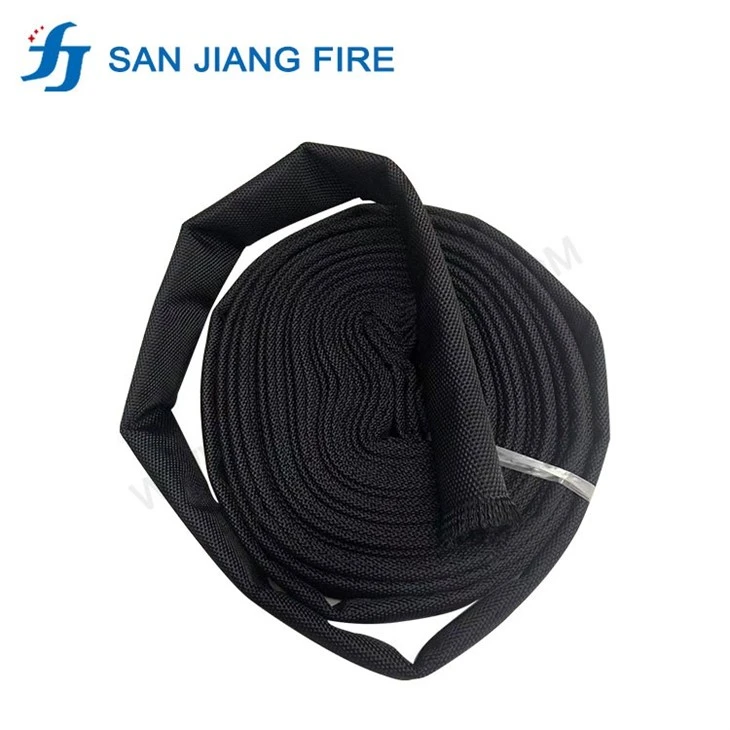
Black Fire Hose
Black fire hoses are typically made of rubber or synthetic materials. They are durable and can withstand high pressures, making them ideal for use in municipal fire departments and large commercial buildings. Black fire hoses are also known for their resistance to heat and fire, providing reliable protection in emergency situations. Check out our Black Fire Hose options for more details.
Rubber Water Hose
Rubber water hoses are a popular choice for fire protection systems due to their flexibility and high water flow capacity. They are suitable for both indoor and outdoor use and can be used in a variety of applications, including sprinkler systems and standpipe systems. Our Rubber Water Hose is manufactured to meet the highest standards of quality and performance.
Factors to Consider When Choosing a Fire Hose Pipe
Building Type and Occupancy
The type of building and its occupancy play a crucial role in determining the appropriate fire hose pipe. For example, a high-rise building may require a fire hose pipe with a longer reach and higher pressure capacity to effectively reach upper floors. On the other hand, a small office building may only need a standard fire hose pipe for basic fire protection.
Fire Risk Assessment
Conducting a fire risk assessment of the building is essential to identify potential fire hazards and determine the appropriate fire protection measures. The assessment should consider factors such as the type of occupancy, the presence of flammable materials, and the layout of the building. Based on the results of the fire risk assessment, you can choose a fire hose pipe that meets the specific fire protection needs of the building.
Water Supply and Pressure
The availability of a reliable water supply and adequate water pressure is crucial for the effective operation of a fire hose pipe. Before choosing a fire hose pipe, you need to ensure that the building's water supply system can provide the required water flow and pressure. You may need to consult with a professional fire protection engineer to determine the appropriate water supply and pressure requirements for your building.
Hose Length and Diameter
The length and diameter of the fire hose pipe are important considerations to ensure that it can reach all areas of the building and provide sufficient water flow. The length of the fire hose pipe should be based on the size and layout of the building, as well as the location of the fire hydrants or water sources. The diameter of the fire hose pipe should be selected based on the required water flow rate and pressure.
Hose Material and Construction
The material and construction of the fire hose pipe can affect its durability, flexibility, and performance. As mentioned earlier, different types of fire hose pipes are made of different materials, such as PU, rubber, and synthetic fibers. Each material has its own advantages and disadvantages, and you need to choose a fire hose pipe that is suitable for the specific environment and application.
Maintenance and Inspection of Fire Hose Pipes
Once you have chosen the right fire hose pipe for your building, it is important to maintain and inspect it regularly to ensure its proper functioning. Here are some key maintenance and inspection tips:
Regular Inspections
Inspect the fire hose pipe at least once a year for any signs of damage, such as cracks, leaks, or abrasions. Check the couplings and fittings for tightness and corrosion. If any damage is found, the fire hose pipe should be repaired or replaced immediately.
Cleaning and Storage
Clean the fire hose pipe after each use to remove any dirt, debris, or chemicals. Store the fire hose pipe in a cool, dry place away from direct sunlight and heat. Avoid storing the fire hose pipe in a kinked or twisted position, as this can damage the hose and reduce its performance.
Pressure Testing
Conduct pressure testing on the fire hose pipe at least once every five years to ensure that it can withstand the required pressure. Pressure testing should be performed by a qualified professional using the appropriate equipment and procedures.
Conclusion
Choosing the right fire hose pipe for a building is a critical decision that can have a significant impact on the safety and protection of the building and its occupants. By understanding the different types of fire hose pipes, considering the factors mentioned above, and maintaining and inspecting the fire hose pipe regularly, you can ensure that your building is well-protected against the threat of fire.
If you have any questions or need further assistance in choosing the right fire hose pipe for your building, please do not hesitate to contact us. We are a leading fire hose pipe supplier and are committed to providing high-quality products and excellent customer service. Let's work together to ensure the safety of your building.
References
- National Fire Protection Association (NFPA). NFPA 1961: Standard for Fire Hose.
- International Code Council (ICC). International Fire Code (IFC).
- Underwriters Laboratories (UL). UL 19: Standard for Fire Hose.